Business and income · Tip 09 / 12
How much do influencers charge? How to price your work with confidence
"How much do you charge for a collaboration?" is a question you're hearing from brands more and more often, and the answer is rarely simple. Instead of guessing or copying someone else's rate card, you can build your own well-thought-out pricing. Here's what it's made of and how to justify it.
- how much do influencers charge
- pricing brand collaborations
- influencer rate card
- content usage licence
- negotiating with brands
- audience engagement
01Why there's no single market rate
Online, you'll find plenty of "rate tables" promising that a certain number of followers entitles you to a specific fee. The problem is that these tables usually ignore your niche, the quality of your content and the scope of the job. Two creators with similar follower counts can be worth completely different amounts to the same brand, because they reach different audiences and talk to them in different ways.
So rather than hunting for one "right" number, it's worth understanding how pricing works. When you know what makes up your price, it's easier to defend it in a conversation and quicker to put together an offer tailored to a specific enquiry. Confident pricing also protects you from undervaluing your own work, which happens especially often when you're starting out.
02Reach and engagement – the starting point
For a brand, the basic question is how many people will actually see a post and how they'll react to it. So instead of your follower count alone, look at the average reach and average views of your posts over the last few weeks. Those figures show what a brand can expect.
Engagement is just as important: comments, saves, shares, Story replies and link clicks. High engagement reflects the trust your community places in you, and that translates into recommendations that work. If your content regularly sparks conversation or your audience asks about the products you show, factor that into your pricing and tell the brand about it. Your audience profile helps too – the better it matches the brand's target group, the more your post is worth.

03Time and production costs
A single Reel is more than a few seconds of footage. Behind every post there's a concept, a script, styling and make-up, the photos or filming, editing, revisions, sign-offs from the brand and, finally, publishing and replying to comments. All of this takes time, and that time should be reflected in the price.
Then there are the costs: hiring a studio or location, paying a photographer, camera operator, make-up artist or editor, props and travel. Try to work out how many hours you actually spend on your typical formats, and decide what an hour of your work is worth to you. That calculation gives you a minimum threshold below which a collaboration stops being worthwhile. Don't forget tax, social security contributions and the tools you use every day, such as editing apps or lighting equipment. These expenses aren't visible in any single post, but they weigh on your budget and should be spread across all your jobs. Only the full picture of your costs shows how much you're really earning from a given campaign.
- Developing the concept and script.
- Production: filming, photography, styling, location.
- Post-production: editing, colour correction, subtitles.
- Communication with the brand, revisions and a post-campaign report.
04Content usage licences
This is something many creators forget, yet it can significantly change the value of a collaboration. A post on your own profile is one thing; a brand wanting to use your photos or videos on its own channels, in paid ads or on billboards is quite another. Every extension like that means your image and your work are working for the brand for longer and more widely.
When pricing a licence, consider the fields of use (where the content will appear), the length of the licence, the territory and whether the brand can edit the material. Remember that, as a rule, distributing your image requires your consent, as set out in Article 81 of the Polish Copyright Act. All these terms are worth putting in the contract. This is general information, not legal advice – for more complex contracts, have the terms checked by a lawyer.
05Scope of work and additional terms
Your price is also affected by what the brand expects beyond the post itself. Category exclusivity – a commitment not to work with competitors for a set period – limits your other earning opportunities, so it should be paid for separately. The same goes for tight turnaround times, multiple rounds of revisions or being required to attend events.
It's also worth pinning down how many posts the collaboration includes, in which formats and on which platforms. A package of several pieces spread over time often delivers better results than a single post and can work out better for both sides. Label all advertising content in line with the guidelines of UOKiK, Poland's consumer protection authority, regardless of how the brand would like it presented.
06How much do influencers charge – presenting your quote to a brand
Once you know all the components, put together an offer that's clear and justified. Break it down into elements: production, publication, licence, extras. That way the brand can see what it's paying for, and you have room to negotiate – if the budget is smaller, you can reduce the scope, for example by shortening the licence or dropping one format, rather than simply cutting your price.
In the conversation, stick to specifics and don't apologise for your rates. You can point to your statistics, your past work and the quality of your production. If a brand's proposal doesn't make financial sense for you, you have every right to politely decline. Negotiations can be stressful, especially at the beginning – that's natural. If talking about money causes you a lot of tension, it's worth discussing it with someone you trust or a professional who can help you build confidence at work.
07Post-campaign reports and growing your rates
Pricing doesn't end when the contract is signed. When a campaign wraps up, prepare a short report: the reach and views of your posts, the number of interactions, link clicks or discount code uses, plus the most interesting comments from your audience. A document like this shows the brand you take the collaboration seriously and increases your chances of repeat work. You don't need to promise specific results before a campaign – but afterwards, you can show honestly what happened.
Reports from successive collaborations also become your knowledge base. Over time, you'll see which formats and topics work best, which product categories interest your community most and how long production really takes you. These are solid arguments when the moment comes to raise your rates. Review your rate card regularly – once a quarter, for example – and update it as your profile, content quality and experience grow. Rising rates are a natural result of your work, not something you need to justify.
Checklist to save
Tick off the points. Your progress is saved in this browser.
Frequently asked questions
Can I just use a ready-made rate table from the internet?
You can treat it as loose inspiration, but not as gospel. These tables don't account for your niche, engagement, production costs or licence scope, so they can easily lead you to under- or overprice.
What should I do if a brand has a smaller budget?
Rather than lowering your price for the same scope, suggest a smaller package: fewer posts, a shorter licence or a simpler format. That way you don't devalue your work.
Do gifted (barter) collaborations make sense?
Sometimes, yes – especially at the start or with products you're genuinely interested in. But remember that a gifted product is still a form of payment, and the post still has to be labelled as an advert.
Hollyfuns Studio · Łódź
Do it with the Hollyfuns crew
If you want the quality of your content to justify higher rates, come to Hollyfuns Studio in Łódź – we'll help you create content that looks great in any pitch. Email us at hollyfuns@gmail.com.
Series: 12 tips for influencers
Keep reading
 07
07Business and income · 5 min read
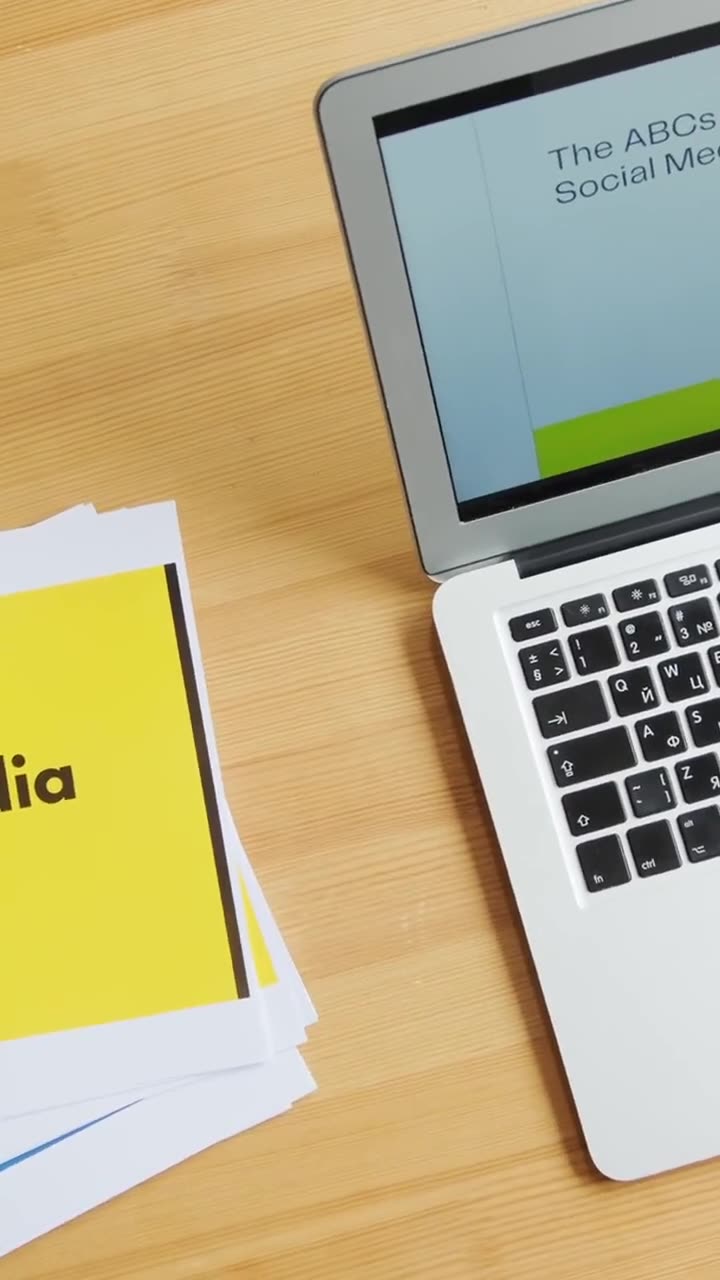
Influencer media kit: what to include and how to prepare it before you pitch brands
How to make an influencer media kit step by step: what to include, how to present your stats and offer, and how to get it ready before you pitch a brand.
Read the guide 08
08Business and income · 5 min read
How to make money as an influencer without relying on a single income stream
How to make money as an influencer without putting all your eggs in one basket: brand deals, subscriptions, affiliate links and your own products in one plan.
Read the guide 01
01Strategy and content · 5 min read
How to Choose Your Niche: An Influencer's One Sentence About Herself
How to choose your niche as an influencer: find what you could talk about for years, who's listening, and sum it up in one memorable Instagram bio line.
Read the guide